Mastering the fundamental appliance of modern kitchens.

We explore the engineering, selection, and practical applications of dedicated rice cookers. From thermal sensors to optimal water ratios, approach your daily cooking with precision.

1955
First commercial electric cooker
100°C
Crucial boiling threshold

Essential Guides

Abstract representation of mechanical components and heat transfer
Engineering

How Rice Cookers Work: The Physics of the Perfect Grain

Explore the magnetic thermostats and thermal switches that make automated rice preparation possible. Understand the crucial phase change of water and how the appliance detects when cooking is complete.

Mechanics Physics
Various sized bowls demonstrating volume differences
Selection

Choosing the Right Capacity: Cups vs. Yield

Navigate the confusing terminology of rice cooker sizing. Learn the difference between raw capacity and cooked yield, and match household sizes to the optimal appliance volume.

Buying Guide Planning
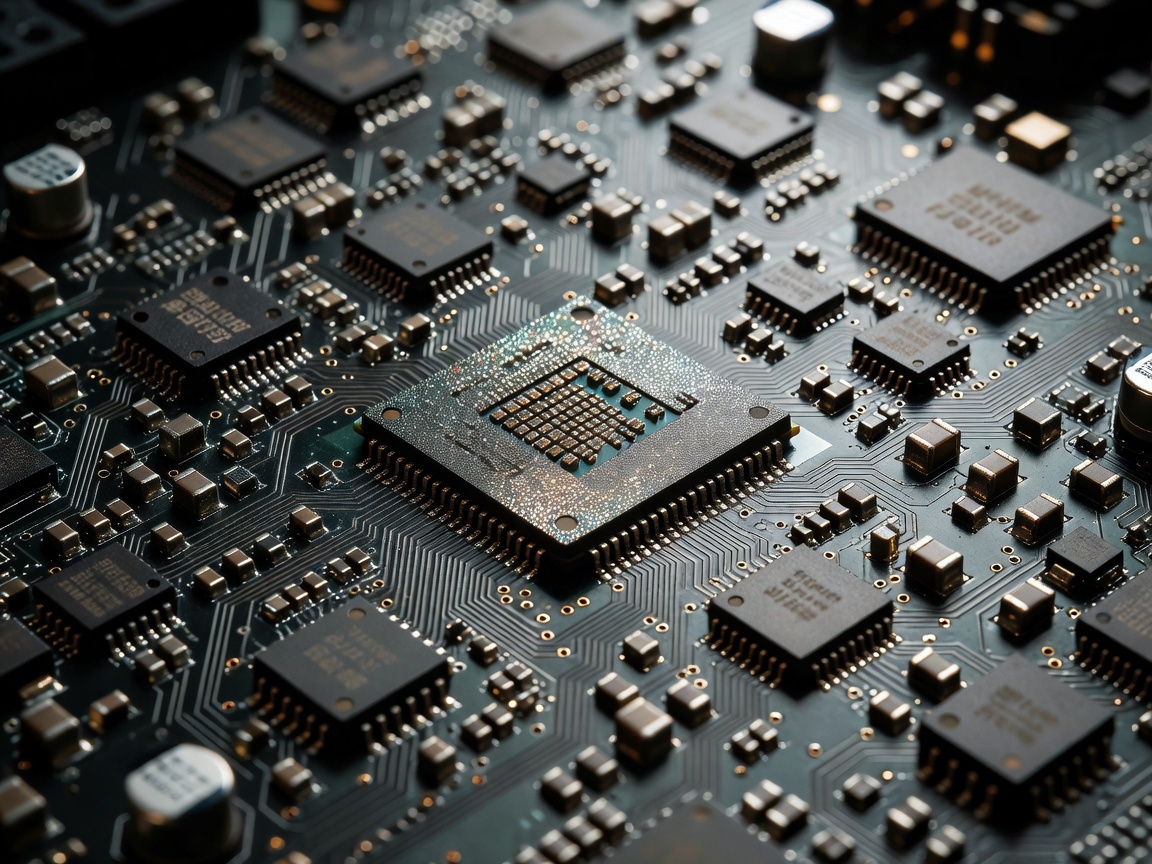
Macro view of a digital circuit board representing microprocessors
Technology

Fuzzy Logic vs. Standard Mechanical Models

Mechanical relays or microprocessors? We detail how mathematical algorithms adjust cooking parameters in real-time based on ambient temperature and volume, comparing it directly to standard models.

Algorithms Comparison
Minimalist still life of cleaning implements and water droplets
Care

Cleaning and Maintenance Protocols

Maximize the lifespan of non-stick inner pots, maintain seal integrity, and ensure hygienic operation. A breakdown of daily cleaning tasks versus deep maintenance requirements.

Maintenance Longevity
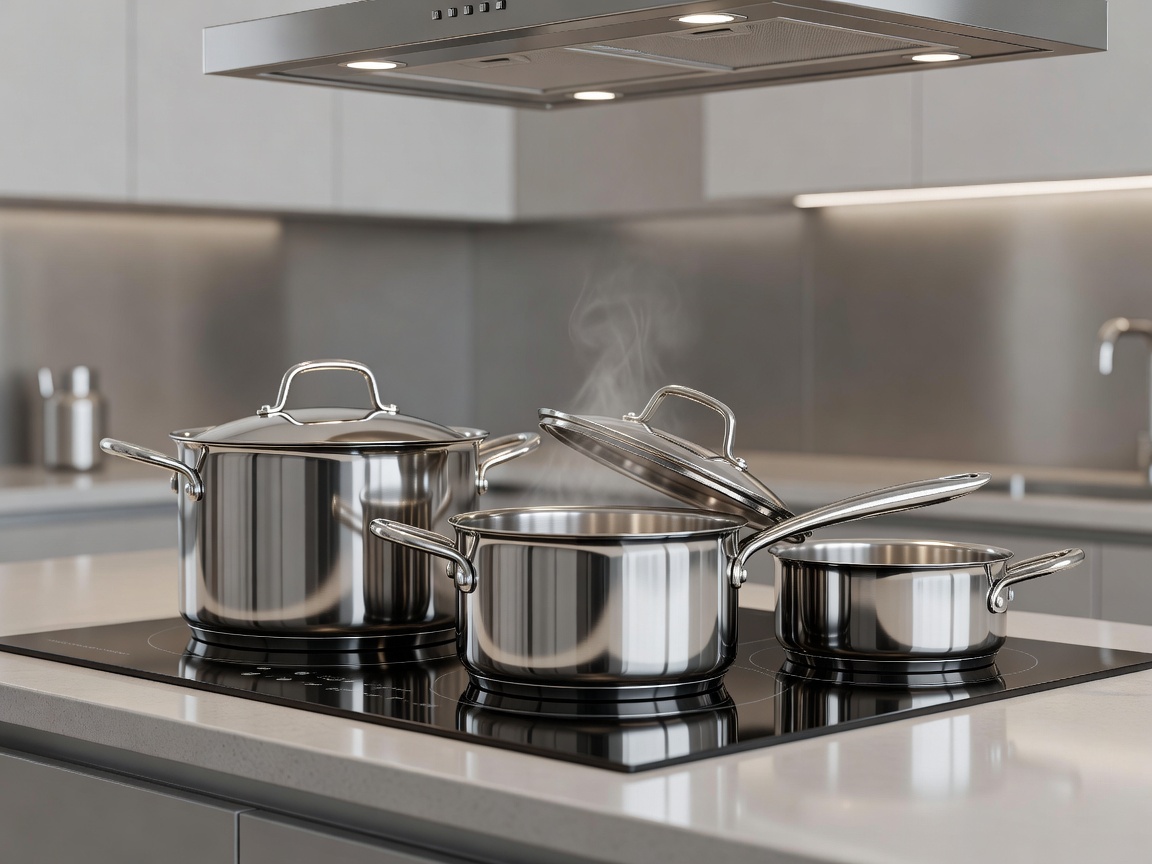
Stainless steel stovetop cookware
Methods

Rice Cooker Alternatives: Stovetop to Microwave

When a dedicated appliance isn't viable, other methods suffice. An objective look at stovetop absorption, pressure cookers, and microwave techniques compared to standard automated cookers.

Alternatives Technique